by: Linda Robison / Facial Fitness Specialist
When it comes to retinol serum vs cream, the serum formulation has made my beauty routine so much easier.
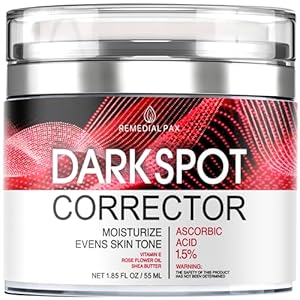
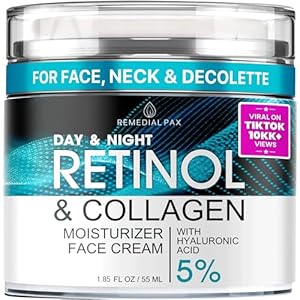
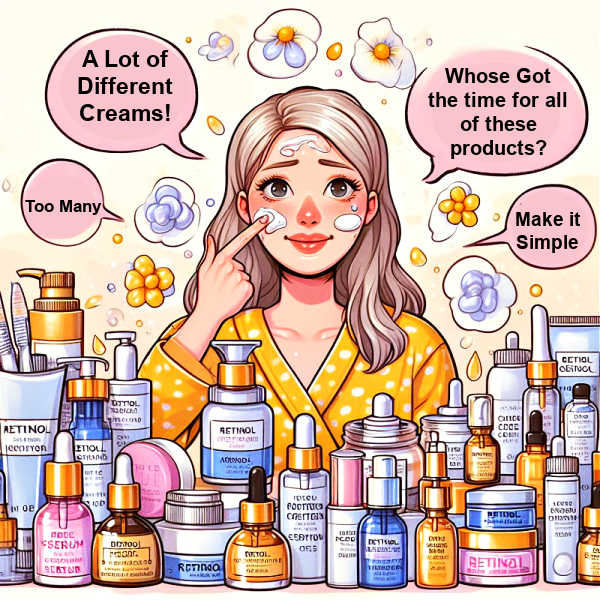
How many different face creams do you have right now? Probably too many, right? I can’t layer 3–4 different creams on my face every day — who’s got the time?
Quick take: Creams feel nice and comforting, but retinol serums win for being lighter, less greasy, and letting me adjust the strength to what my skin can actually handle.

Retinol serums are lighter, more concentrated, and sink in way better than creams.
If you want a quick look at the retinol products I actually use — creams, serums, and the gentler options — I break it all down in my retinol skin products guide.
A lot of serums now come packed with “boosters” like vitamin C, B5, hyaluronic acid, even extra retinol. I just mix a few drops into my moisturizer or foundation, and my routine gets instantly easier.
Keep reading to see the retinol serum I reach for most…
Understanding retinol serum benefits:
First, a quick refresher on what retinol actually does.
Retinol is a form of vitamin A that tells your skin to behave like it did years ago. It helps:
- boost collagen
- smooth fine lines
- fade dark spots
- brighten dull, tired-looking skin
When you apply it to clean, dry skin, it gets down into the deeper layers and speeds up cell turnover. That’s what helps reveal fresher, healthier-looking skin underneath.
Serums have an edge over creams because they’re lighter and more concentrated. Their thinner texture and smaller molecules let the active ingredient sink in faster instead of sitting on top of your moisturizer.
Bonus: you get more “action” from the retinol without piling on heavy layers of cream.
Who should use a serum?
So who does better with a serum instead of a cream?
If you have:
- breakouts, clogged pores, or congestion
- blotchy, uneven skin tone
- fine lines and texture you want to smooth
…a serum is usually the better choice. It’s lighter, less likely to clog pores, and easier to slip under whatever moisturizer you already love.
And don’t be fooled by the tiny bottles. Retinol serums are usually very concentrated. A few drops can pack a serious anti-aging and skin-clearing punch.
If your skin feels a bit dry, just mix the serum into your moisturizer. You get the strength of a retinol without a thick, greasy “retinol cream” and without having to buy three extra jars.
Benefits for beginners
If you’re new to retinol, a serum makes the whole thing a lot less intimidating.
My favorite way to start is simple: mix a few drops of serum into your regular moisturizer and apply it to clean, dry skin at night.
Note: This little “buffering” trick keeps the redness and flakiness away because you’re only giving your skin what it can handle.
As your skin adjusts, you can use less moisturizer and more serum—or eventually apply the serum first with a cream on top. I love that I can dial the strength up or down depending on how my skin feels that week.
And honestly, serums are usually more cost-effective in the long run. You’re paying for the active ingredient, not a giant jar packed with heavy fillers or fragrance.
If your skin leans reactive or you just want a gentler starting point, I also break down a few natural retinol alternatives that are worth trying.
Budget tip: turn your favorite moisturizer into a “retinol cream”
f you’re anything like me, you probably already have a whole lineup of moisturizers. So instead of buying another “retinol cream,” I just use my retinol serum as a booster. And if you do want to compare the classic creams, I break a few down on my retinol cream reviews.
At night, it’s simple:
a little serum on clean, dry skin, then either layer my moisturizer on top or mix a few drops right into a dollop of cream in my palm. Quick, easy, and no extra jars crowding my bathroom.
I like being able to control the strength—more serum on good skin weeks, more moisturizer when my face feels a little touchy.
In the summer, I’ll often use the serum alone because it feels lighter. When the weather gets dry, I mix it with a richer moisturizer so my skin stays happy while the retinol does its thing.
Retinol side-effects: My story…
For years, I avoided retinol completely.
I’d read that it could make skin more sensitive to sunlight and thought, “Great, I’ll just fry my face faster.” I’m outside a lot and not always perfect with sunscreen, so retinol felt like a bad match for me.
Even though I kept hearing how good retinol was for smoothing wrinkles and brightening skin, I was nervous to try it. I didn’t want to trade a few lines for redness and peeling.
Glad I took the plunge
Eventually, I got curious enough to experiment.
I started with over-the-counter retinol products and was pleasantly surprised. Some of them really did help with fine lines and early sagging—and most weren’t terribly expensive.
The catch? After a while, my skin adjusted and the results seemed to stall. It felt like I needed a stronger formula to keep seeing progress.
Prescription retinoids were a struggle for me. I could never get past the side effects long enough to enjoy the benefits.
So I did more digging and found a middle ground: layering a concentrated retinol serum under my favorite cream. That gave me the “oomph” I wanted without wrecking my skin barrier.
How to use retinol serum
Always follow the directions on the product you buy, but here’s the basic routine that works for me:
- Apply retinol serum to a clean, dry face, avoiding the eyes and lips.
-
Follow with a moisturizer. I like the ZENMED’s moisture-boosting Omegaceramide+ Recovery Moisturizer.
because it’s very soothing on drier, reactive skin. But you can use any moisturizer you already have. - A gentler approach is to keep skin dry, start slowly, and increase frequency instead of piling on extra product.
Personally, I like to:
- put a dollop of moisturizer in the palm of my hand
- add a few drops of serum
- mix and apply all over my face and neck
In summer, I usually skip the extra cream and just use the serum at night so my skin doesn’t feel greasy. I’m in the sun during the day, so night-time retinol works best for me.
And speaking of sun: whenever you use any type of retinol, pair it with a good daytime sunscreen. I look for a sunscreen with a high PA++ rating
before heading outdoors.
Results with retinol serums
After about five weeks of using a retinol serum consistently, I noticed a real difference.
My skin tone looked more even, my cheeks looked smoother, and my face had a fresher, brighter look overall. I wasn’t expecting results that quickly, especially after being so hesitant to start.
Are retinol serums right for you?
The “best” retinol really depends on your skin type, your patience level, and how much layering you’re willing to do.
I don’t love juggling a bunch of creams, so serums are a perfect match for me. They’re easy to slide into my routine, and I can always buffer them with moisturizer if my skin starts to feel touchy.
The big advantage is control: with a serum, you can adjust how often you use it and how many drops you apply. That’s not something you can easily do with a one-and-done retinol cream in a jar.
How to use retinol serums
Everyone’s skin behaves differently, so think of this as a starting framework—not a rigid rule.
- Begin slowly: use your retinol serum every 2nd or 3rd night.
- Keep an eye on your skin. If all looks calm after a few weeks, you can move up to more frequent use.
- If you ever feel that “windburn” feeling—red, tight, or flaky—back off for a week or two, then restart gently.
The beauty of serums is that you can mix or layer them under your favorite creams without ending up with a heavy, sticky face.
Important note:
Avoid layering retinol with benzoyl peroxide (acne treatments) or strong alpha hydroxy acids at the same time. They can irritate your skin and may reduce the effectiveness of your retinoid. I keep those on separate nights.
Before you go ….
Please tap on the💙in the bottom right corner if you found this page helpful.
FOLLOW ME FOR MORE TIPS:
SHARE OR SAVE FOR LATER:
Trending Products