by: Linda Robison / Facial Fitness Specialist
Retinol is one of the few ingredients dermatologists actually agree on. It helps soften fine lines, smooth rough texture, and support collagen — especially when you ease into it instead of grabbing the strongest formula available.
My take? Slow and gentle wins. Pick a texture your skin likes and introduce it gradually. This keeps your skin happy and avoids irritation.
In my experience, retinol works best when I go slow, low, and consistent.
If you’re mostly wondering which product to buy, I break down my favorite options on my retinol skin products page.

Retinol over 40: at-a-glance
- Start just 1–2 nights per week on completely dry skin.
- Choose a gentle, low-strength cream (around 0.2–0.3% retinol) to begin.
- Use the “sandwich method” if you’re sensitive: moisturizer → retinol → moisturizer.
- Always wear broad spectrum sunblock in the morning to protect your progress and prevent new spots.
- If your skin looks angry or tight, pause and pull back—retinol is a long game, not a race.
If you’re building a simple routine around it, my anti-aging skincare guide walks through how retinol fits with cleansing, exfoliating, and moisturizing over 40.
What is retinol and how does it help wrinkles?
Retinol is a form of vitamin A that helps your skin do what it naturally slows down with age — renew itself. As we get older, cell turnover gets sluggish, collagen breaks down faster, and skin can start looking dull, uneven, or a little crepey.
Retinol steps in by gently speeding up that renewal process. With steady use, it can smooth fine lines, soften rough texture, brighten discoloration from old sun spots, and help your skin look more even and refreshed. For daytime, gentle exfoliation also helps lift away that dull layer — I talk more about that in my exfoliation over 40 guide.
You don’t need a high-strength formula to see benefits — slow and steady works far better than strong and irritating.
Who should (and shouldn’t) use retinol over 40?
Most women over 40 can use retinol without a problem — especially if you’re noticing fine lines that hang around longer, uneven texture, or skin that just feels a little “slower” than it used to.
Even if your skin has gotten drier or more sensitive with age, a gentle retinol paired with a moisturizer usually works well. Just go slow, keep the formula light, and let your skin adjust.
If your skin is already irritated, tight, or reactive, hit pause. Retinol won’t help if your barrier is struggling, or if you’re dealing with a rash, sunburn, or an inflamed breakout. Get things calm first, then ease back in.
How to use retinol for wrinkles (simple routine)
Here’s the easiest way to use retinol over 40 without upsetting your skin:
- Use it at night only, after cleansing with a gentle, non-stripping cleanser.
- Pat your face dry and wait a minute — retinol on damp skin can sting more.
- Apply a pea-sized amount to your face, avoiding the corners of the nose, mouth, and eyes.
- Follow with moisturizer. If you’re sensitive, use the “sandwich method”: moisturizer → retinol → moisturizer.
- Start just 1–2 nights per week, then slowly work up to every other night if your skin stays calm.
- In the morning, always use SPF to protect your progress and prevent new spots.
Best types of retinol products: creams, serums, oils
The type of retinol you use matters — especially over 40, when dryness and irritation show up faster. Some formulas feel gentler, some absorb quicker, and some give you a little extra cushion.
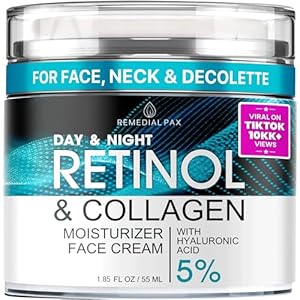
Retinol creams
This is my favorite and is great for beginners. Creams are more hydrating, smoother to apply, and less likely to cause tightness or flaking. If your skin leans dry or sensitive, a cream is usually the easiest place to start.
Retinol serums
Lighter and fast-absorbing. They can feel stronger because there’s less moisture to buffer the retinol. If you’re comfortable with retinol or have oilier skin, a retinol serum can work well.
Note: Keep in mind that some serums like this one by Zenmed can be added to your favorite moisturizer. This can save time and money.
Retinol oils
Not as common, but nice if you want extra nourishment. The oil base adds softness and helps offset irritation. They’re usually gentler and a good pick for dry or mature skin.
No matter which one you choose, go with the texture your skin actually tolerates. The “best” retinol is the one you can use consistently without irritation.
When to moisturize with retinol
You can do either, it depends on how sensitive your skin is. Most women over 40 do best with a little moisture cushion.
If your skin is dry or easily irritated, use the “sandwich method”: moisturizer → retinol → moisturizer. If your skin already handles retinol well, just moisturize after applying it.
Whichever method you choose, the goal is the same: keep your skin happy with a good hydrating moisturizer so you can use retinol consistently.
How long does retinol take to work
Retinol works, but it’s not instant. In the first few weeks you might notice smoother texture or a little extra glow. The bigger changes — softer lines, better firmness, more even tone — usually show up after a couple of months of steady use.
Most women see the real difference around the three-month mark, as long as they’re consistent.
I use a light, creamy formula, so I’ve never had irritation. But some women do. That early “adjustment phase” usually settles by weeks 4–6. If you’re still irritated after two months, the formula is probably too strong or you’re using it too often.
Common side effects + how to avoid irritation
A little dryness or flaking is normal when you start retinol. If you get redness or stinging, ease up and moisturize more — most women over 40 do better going slow.
On retinol nights, keep it simple: gentle cleanse → retinol → moisturizer. No scrubs, acids, or harsh cleansers.
Skip retinol entirely if your skin is sunburned, peeling, rashy, or irritated from other products. A calm barrier always gets the best results.
Can you mix retinol with vitamin C or acids?
This is where most people get confused. You can mix certain ingredients, but it really depends on your skin.
Vitamin C and exfoliating acids (like glycolic or lactic) are active ingredients. When you stack them with retinol on the same night, a lot of women end up with dryness or irritation — especially if their skin is sensitive.
Most people get better results when they use these on separate days instead of layering. If you’re also using acids, my guide on using glycolic and lactic acid together explains how to space them so your skin doesn’t get overwhelmed.
If your skin gets tight, dry, red, or irritated, that’s your sign to space things out again. Retinol works best when it’s not competing with other strong ingredients — slow, low, and steady always wins.
Advanced tips (eyes, neck, natural options)
Using retinol under the eyes
You can use retinol around the eyes — just go slow. The skin there is thin and reacts fast. Start with the outer corners once a week and always cushion it with moisturizer or your regular eye cream. If your main concern is lines and crepey texture here, my eye wrinkle treatment tips go deeper into options.
Using retinol on the neck
I saw a big difference here but remember this area usually more sensitive than your face. Start with a tiny amount and space applications out. If you get redness or itchiness, reduce how often you use it or switch to a gentler cream formula. For more support in this area, I also share non-retinol options on my sagging neck skin page.
What about bakuchiol (plant-based “retinol”)?
Bakuchiol isn’t as strong as retinol, but it’s a nice option if your skin gets irritated easily. It helps smooth and brighten without that classic dryness. Many women over 40 like using it on off-nights to stay consistent.
How to choose the right retinol

If you’re thinking, “OK, but what should I actually buy?”, here’s the simple version. For side-by-side comparisons, I also have a guide to best retinol creams for wrinkles over 40 and a page with my top retinol skin product picks.
Beginner, dry or sensitive skin:
- Start with a low-strength cream around 0.2–0.3% in a tube or airless pump. The cream texture naturally buffers the retinol and keeps your barrier happier.
Retinol never agrees with me” / ultra-sensitive:
- Try a well-formulated bakuchiol serum or cream. It’s gentler and still helps with glow, texture, and early fine lines.
Comfortable with retinol and want more:
- Once you’ve finished a full tube with no irritation, you can decide if you want to move up slightly in strength or stay where your skin is happy.
If your skin is on the sensitive side, it’s completely fine to stay with a lower strength long term. A retinol your skin tolerates well will always beat a “strong” one that keeps drying or irritating you.
Retinol vs retinal vs tretinoin
Retinol
Retinol is the gentlest of the three and perfect for beginners or anyone over 40 with dry or sensitive skin. It converts slowly in the skin, which means fewer side effects but also slower wrinkle-reducing results. Most women start here because it’s effective without being harsh.
Retinal (retinaldehyde)
Retinal is one step closer to active retinoic acid, so it works faster than retinol while still being more tolerable than tretinoin. It softens fine lines more quickly, but it can be a little stronger and pricier. If you’ve used retinol with no irritation and want quicker results, retinal is a good next step.
Tretinoin (Retin-A)
Tretinoin is prescription-strength and the most potent option for wrinkles, texture, and pigmentation. It delivers visible changes the fastest, but it also brings the highest risk of dryness, peeling, and irritation—especially for women over 40 with naturally drier skin. Most dermatologists recommend “working up to it” if you’re new to retinoids.
Takeaway
Start slow, keep your routine simple, and use moisturizer generously. Retinol works best when your moisture barrier is healthy and you’re not overwhelming your skin with extra actives.
Most women see smoother texture in a few weeks and bigger improvements around the three-month mark. The results are real — they just build gradually.
If your skin feels irritated, pull back and give it time to settle. Retinol isn’t a race. It’s a long-game ingredient that works beautifully when you treat it with a little patience and consistency.
Retinol Skin Products: FAQ’s
Got questions about retinol skincare products? We’re happy to help. Send your questions here.
Answer: Yes — retinol increases collagen production, which helps soften fine lines…
Answer: Most people notice smoother skin in 6–8 weeks.
Answer: Beginners should start with 0.2–0.3%.
Answer: Retinal works faster but can be more irritating
Before you go ….
Please tap on the💙in the bottom right corner if you found this page helpful.
FOLLOW ME FOR MORE TIPS:
SHARE OR SAVE FOR LATER:
Trending Products