- Home
- Malar Bags Vs Festoons

As an Amazon Associate, I earn from qualifying purchases. This post may contain affiliate links.
We’ll explain the difference between festoons and malar bags, along with what causes them and the treatments that may help improve their appearance.
Malar bags vs festoons: What is the difference between the two?
While they may appear similar and are often confused with lower eye bags, it’s important to note that malar bags and festoons are distinct conditions.
One thing is certain: both can be quite bothersome, potentially giving you an older or tired appearance.
In this article, you’ll learn:
- the difference between malar bags and festoons
- what causes them
- prevention tips that may help
- treatment options ranging from natural approaches to medical procedures
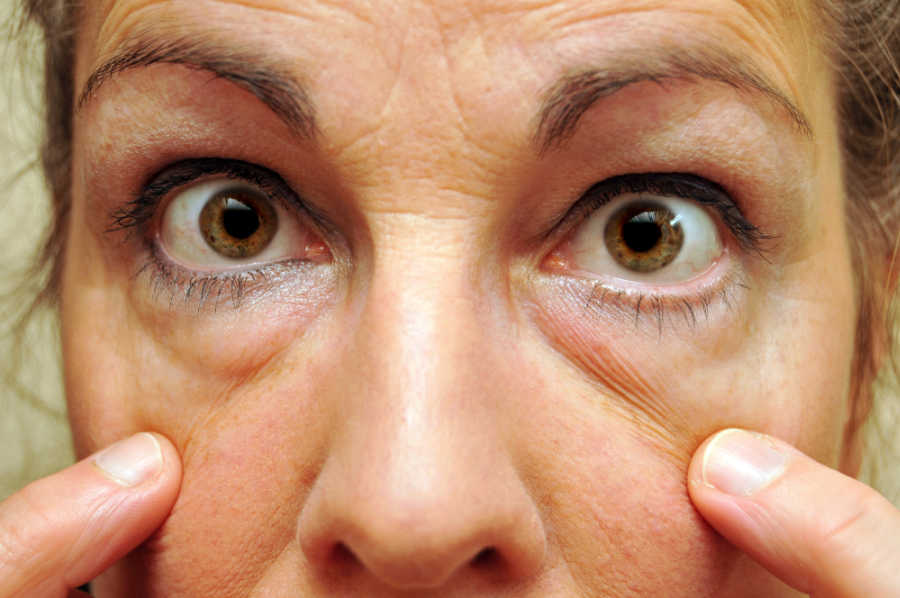
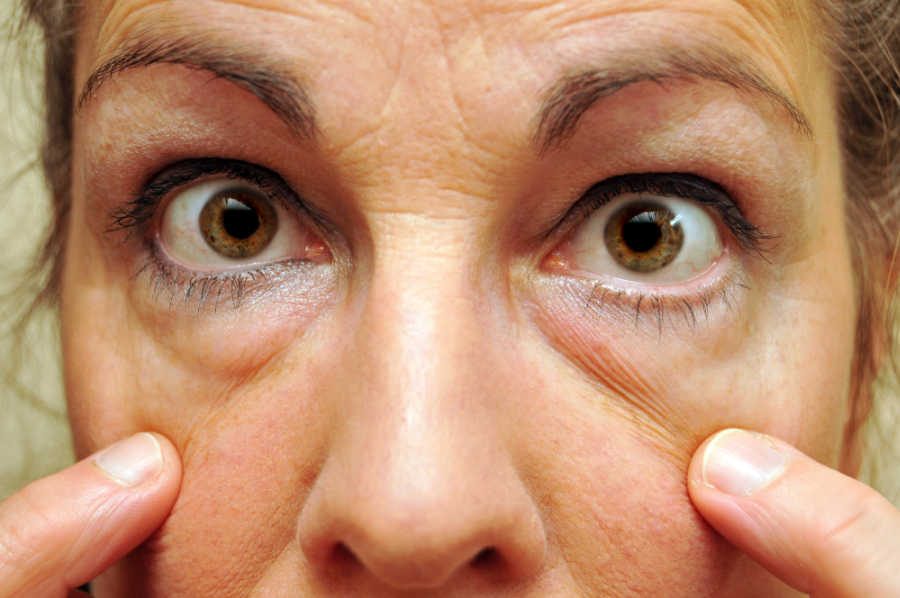
Ok, so what’s the difference between the two? They are similar, but the main differences involve their location, texture, and underlying causes.
Malar bags. Also known as cheek bags, are pouch-like swellings that are specifically located near the lower eyelid and above the cheekbone. They are situated higher on the face compared to festoons.
Festoons. Typically, sit lower on the face compared to malar bags. These pouch-like swellings are commonly located in the cheek area, and can extend into the mid-cheek region.
Let’s break down the difference between festoons and malar bags.
Quick comparison: malar bags vs festoons
Although they look similar, malar bags and festoons differ in their location, texture, and underlying causes.
Malar bags
• Sit higher on the face, just below the lower eyelid
• Usually appear as a small pouch over the cheekbone
• Often look firmer and more defined
• Commonly linked to fluid buildup and changes in the cheek fat pads
Festoons
• Sit lower on the upper cheek area
• Often appear as larger, draped or hammock-like skin folds
• Usually softer and more wrinkled in texture
• Often involve fluid retention and loose skin in the cheek area
Malar bags festoons can develop for several different reasons.
What causes malar bags
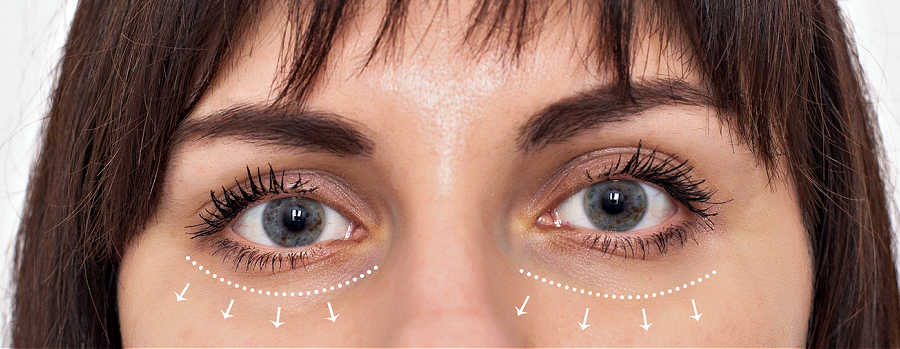
Malar bags are puffy swellings that develop just below the lower eyelid and above the cheekbone. They usually develop from a combination of fluid buildup, weakening of the skin and supporting tissues in the cheek area, and changes in the fat pads that sit under the eyes.
Swelling (edema), skin laxity, and changes in the cheek fat pads can all contribute to this bag-like appearance. Aging, sun exposure, and genetics may also play a role.
Location: Malar bags appear near the tear trough of the lower eyelid and just above the cheekbone.
Appearance: They are usually smaller and more localized than festoons and often create a bulging look over the cheekbone area.
Texture: Malar bags tend to appear firmer in texture compared to festoons.
What causes festoons under eyes?
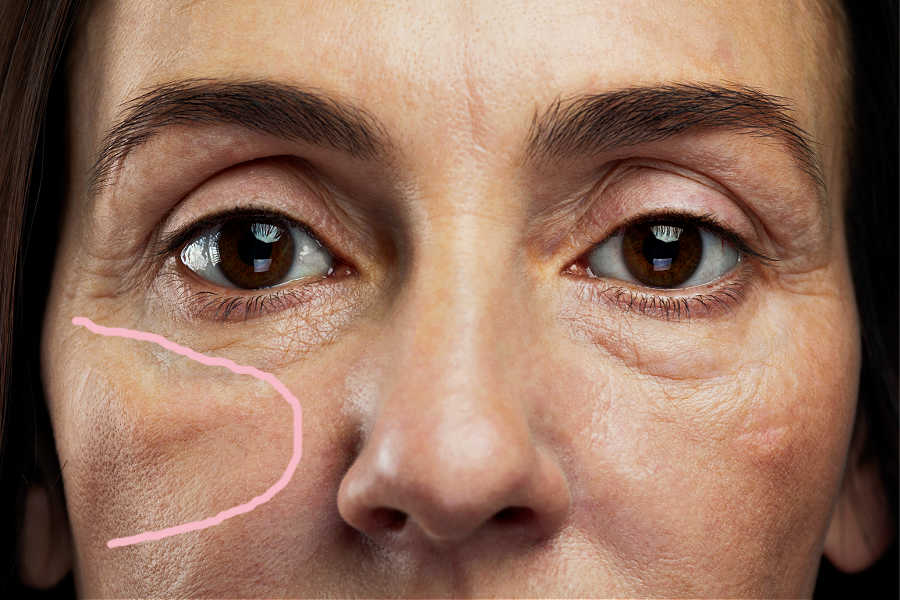
Festoons share some of the same underlying causes as malar bags, but they usually involve more noticeable skin laxity and fluid buildup in the upper cheek area.
As the skin and supporting tissues weaken, the area below the eyes can begin to sag and form larger folds or pouches.
Location: Festoons typically appear in the lower eyelid–upper cheek area and may extend farther into the mid-cheek region.
Appearance: They often look larger and more draped than malar bags, sometimes forming hammock-like folds of skin filled with fluid or fat.
Texture: Festoons usually appear softer and more wrinkled compared to the firmer look of malar bags.
Both festoons and malar bags can make the face look tired or aged. Treatments are not always straightforward, and results can vary depending on the underlying cause and severity.
Below we’ll look at some preventative measures and treatment options ranging from natural approaches to medical procedures.
Preventing malar bags and festoons
Before we cover some treatment options, let’s look at some preventative measures that might help prevent these issues:
Prevention
If genetics are not the main cause, there are a few preventative steps that may help reduce the risk of these issues developing over time.
1. Sunscreen: We all know this. Sun damage kills skin collagen. It’s never too late, as studies have shown that sunscreen can prevent and even help reverse skin aging. Use a sunscreen daily!
2. Skin Tightening Heating Treatments: Procedures such as Thermage and Ultherapy are great for tightening the skin, but they come with a potential side effect: facial fat loss. It’s crucial to ensure that your practitioner is highly experienced in performing these treatments.
3. Diet and fluid retention: Diet alone will not remove malar bags or festoons, but certain eating habits can make swelling more noticeable. High sugar diets can weaken collagen over time through glycation, and high-salt or heavily processed foods may increase fluid retention around the eyes and cheeks. Supporting your skin with nutrient-rich foods may help maintain better skin quality as you age. See: skin nourishing foods for healthy skin.
Malar bags vs festoons: Treatments
The right treatment for malar bags or festoons depends on how severe they are and what’s causing them.
These puffy areas usually develop from a mix of fat pad changes, fluid buildup, and weakening of the skin and tissues that support the cheek area. Because of this, some treatments may improve the appearance, while others are needed for more advanced cases.
Facial exercises
According to CFF, certain facial exercises may help strengthen the muscles that support the cheek area. Stronger cheek muscles can sometimes improve facial contours and help support the tissues around the eyes.
Plus, facial exercises are one of the easiest ways to help the face look firmer over time. See the 3 Step Cheek Builder video which targets the cheek muscles that help support this area.
Face massage
Gentle face massage may help improve circulation and encourage lymphatic drainage around the eyes and cheeks. This can sometimes reduce fluid buildup that contributes to puffiness.
If you’re looking for ideas, check out the Circle Up Rub massage technique.
Topical treatments
Certain skincare ingredients may help improve the texture and tone of the skin around the eyes and cheeks. Ingredients like retinoids, peptides, and antioxidants can support collagen and overall skin quality. While these products won’t remove malar bags or festoons, they may help the surrounding skin look smoother.
Botox
Botox does not remove malar bags or festoons themselves. These conditions are usually related to fat pads, fluid buildup, and skin changes in the cheek area rather than muscle movement.
But, Botox may help soften wrinkles around the eyes and slightly reduce downward muscle pull, which can improve the overall appearance of the area in some people. You can also explore whether Botox helps with eye bags, although results depend on the underlying cause.
PRP or PRF injections
PRP (platelet-rich plasma) and PRF treatments use components from your own blood to support healing and collagen production. Some providers use them around the eye and cheek area to improve skin quality and reduce puffiness.
Research is still limited, but some people notice modest improvements.
Dermal injections (fillers)
In some cases, fillers are used to smooth the transition between the cheek area and the bags under the eyes. This can reduce shadows and make the area look smoother.
Fillers have to be used carefully in this area, though, because some types attract water and can make swelling worse. An experienced injector may choose specific fillers or techniques depending on the situation.
Some people also explore filler for under-eye puffiness to improve hollows or shadows that can make the area look more tired.
Laser or radiofrequency treatments
These treatments use controlled heat energy to tighten the skin and improve skin texture. They may help mildly with festoons or loose skin in the cheek area, but they typically don’t completely remove the bags.
Antibiotic injections
Some plastic surgeons use injections of antibiotics such as tetracycline to help shrink festoons. While festoons are not caused by infection, these medications may trigger a mild tightening response in the tissue that can reduce fluid pockets. This approach is still considered specialized and is not offered by all providers.
Surgery
For more advanced cases, surgical procedures such as lower eyelid surgery (blepharoplasty) or a mid-face lift may be recommended. These procedures can reposition tissue and remove excess skin or fat to improve the appearance of malar bags or festoons.
FAQ: Malar bags vs festoons
A: Both malar bags and festoons involve puffiness in the lower eyelid and cheek area. But festoons are usually larger and are found lower on face, near the cheek bones.
Malar bags are puffy or swollen areas that sit under the lower eyelids. They look like regular under eye bags, but can be larger and protrude out more.
A: There is no guaranteed method to shrink malar bags permanently through non-surgical means.
Malar bags are often caused by a combination of factors, including genetics, aging, and skin laxity, making them hard to shrink without medical intervention.
A: One of the biggest factor that can make malar bags look worse include fluid retention and alcohol abuse. Sticking with a healthy, low-soduim, low alcohol consumption diet can help.
Other things that can make them look worse is allergies, smoking, aging, and sun exposure.
A: Massaging festoons might help improve lymphatic drainage and puffiness. But, how well it helps, will vary from person to person.
Want More?
I share quick routines, beauty tweaks, and what’s working for me — straight to your inbox. Join the Club and get this free Cheek Shaper Video.

Before you go ….
Please tap on the💙in the bottom right corner if you found this page helpful.
FOLLOW ME FOR MORE TIPS:
SHARE OR SAVE FOR LATER:
Trending Products